
Best Filter Water Bottles for Travel (Ditch Single-Use Plastic)

Disclosure: inventgo may earn a commission if you buy through links on this page, at no extra cost to you. Learn more.
On this page
Comparison table
| Product | Type | Removes viruses? | Filter life | Weight | Link |
|---|---|---|---|---|---|
| GRAYL GeoPress 24oz Purifier ★ | Press purifier, 710 ml | Yes (99.99%, maker claim) | 350 cycles / 250 L | 450 g | Check current price |
| LifeStraw Go Series 1L | Sip-through filter bottle, 1 L | Not claimed | Membrane up to 4,000 L; carbon up to 100 L | 268 g | Check current price |
| Katadyn BeFree Filter AC 1.0L | Soft flask filter, 1 L | Not claimed | Membrane up to 1,000 L; carbon up to 200 L | 76 g | Check current price |
| Water-to-Go 75cl Active Bottle | Sip-through filter bottle, 75 cl | Yes (maker claim) | 200 L | Not stated | Check current price |
GRAYL GeoPress 24oz Purifier: the best all-round pick
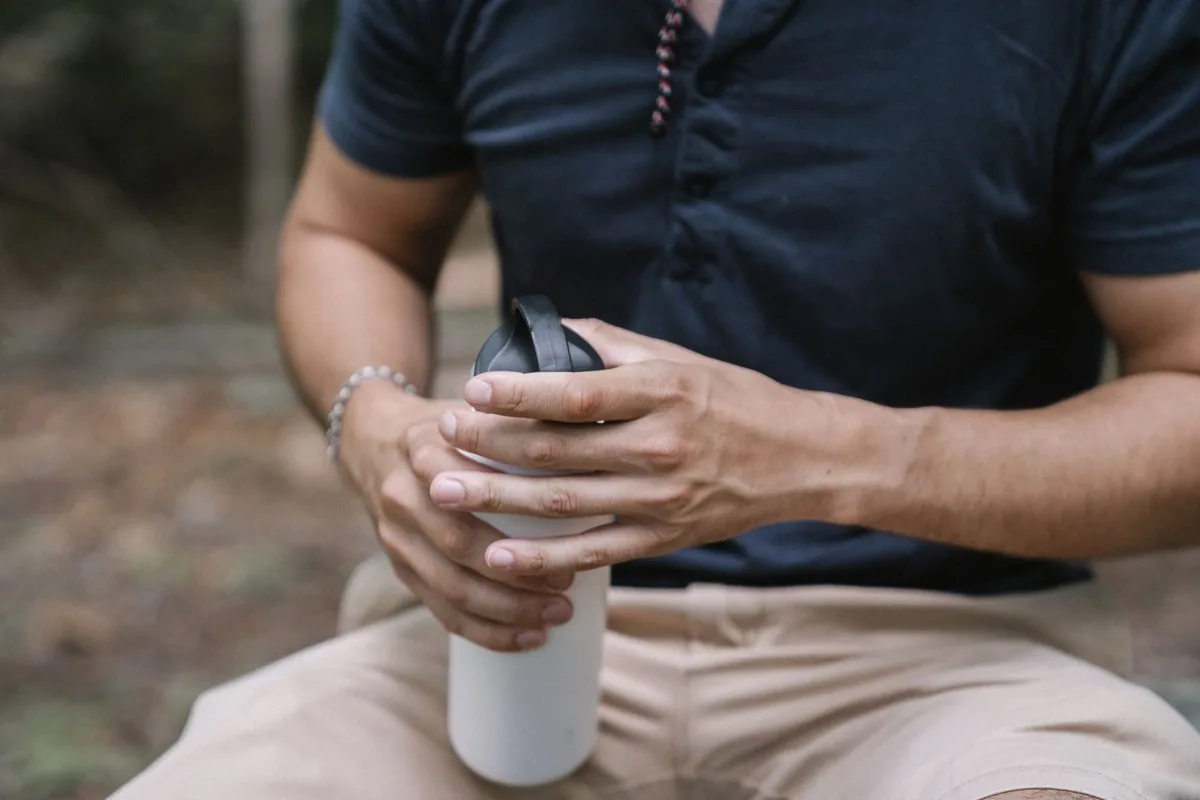
GRAYL GeoPress 24oz Purifier
- Removes 99.99% of viruses
- 99.9999% of bacteria and 99.9% of protozoan cysts
- Cartridge rated for 350 cycles (250 L)
Best for: Hotel taps, hostel sinks and freshwater sources where viruses are a concern
Check priceThe GRAYL GeoPress works like a coffee press: fill the outer cup, press down, and in 8 to 10 seconds you have 710 ml of drinking water. GRAYL says its activated carbon also targets chemicals, heavy metals and microplastics. Replace the cartridge when a press takes about 25 seconds, or after three years.
GRAYL says a certified lab tested it to those NSF/ANSI protocols and that it meets the US EPA's guide standard for microbiological water purifiers (GRAYL tech specs). That's "tested to the protocol", not an NSF certification listing. GRAYL's pitch is to "travel sustainably and never buy single-use bottled water again".
Specs
- Removes 99.99% of viruses, 99.9999% of bacteria and 99.9% of protozoan cysts
- Cartridge rated for 350 cycles (250 L)
- Independently tested to meet or exceed NSF/ANSI 42 and 53 protocols
What we like
- Virus protection makes it the most versatile for tap water abroad
Watch out
- At 450 g, it's the heaviest bottle here
- GRAYL says not to use it with salty or brackish water, or after industrial spills or algal blooms
Who it's for: backpackers drinking from taps and wells where the water isn't treated to drinking standard.
See the GRAYL GeoPress 24oz Purifier
LifeStraw Go Series 1L: the long-life filter pick
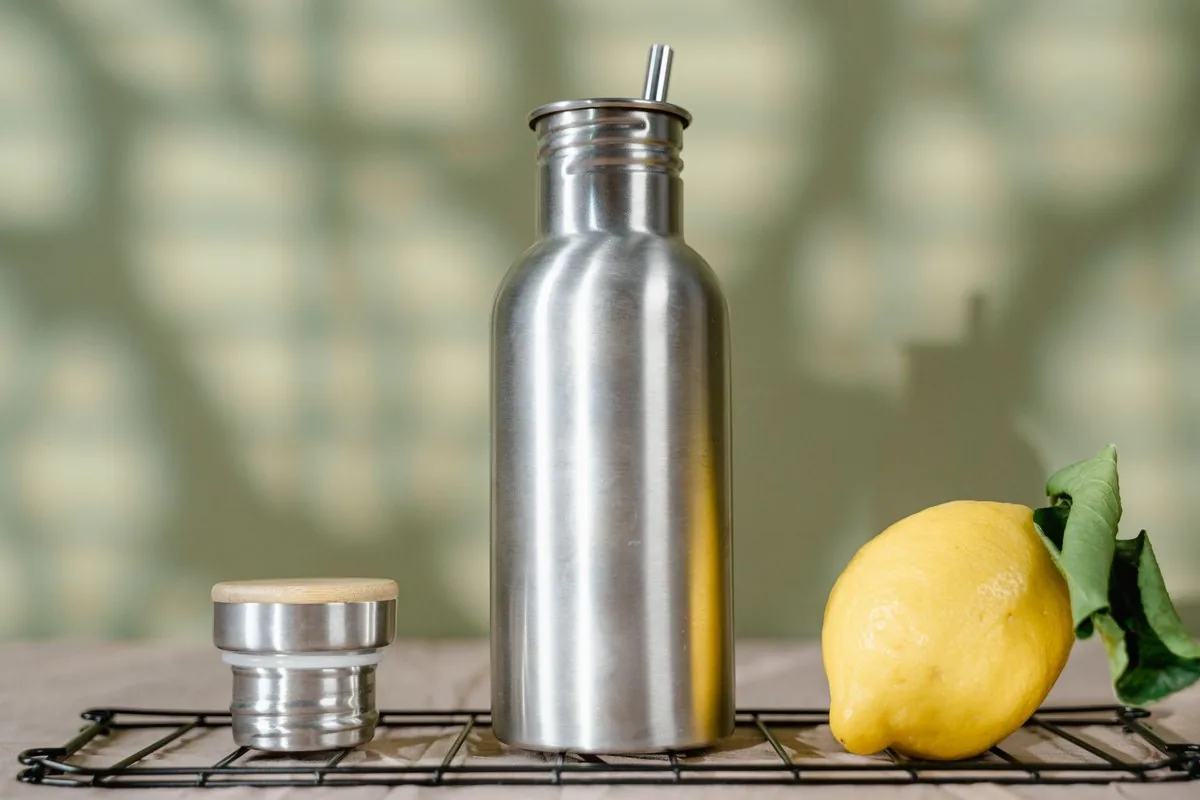
LifeStraw Go Series 1L
- 0.2-micron membrane meets NSF P231 for bacteria and parasites
- Membrane lasts up to 4,000 L; carbon filter up to 100 L
- Carbon filter meets NSF 42 for chlorine reduction
Best for: Long trips with treated tap water and clear streams
Check priceThe LifeStraw Go Series 1L is a 1-litre sip-through bottle. LifeStraw says its membrane removes 99.999999% of bacteria, 99.999% of parasites and 99.999% of microplastics and meets US EPA standards as well as NSF P231, while the carbon stage reduces chlorine and odours.
LifeStraw puts the 4,000 L membrane at about five years of daily use, the equivalent of 8,000 single-use plastic bottles; the carbon filter lasts about two months. LifeStraw describes itself as a B Corp and Climate Neutral Certified brand (LifeStraw).
Specs
- 0.2-micron membrane meets NSF P231 for bacteria and parasites
- Membrane lasts up to 4,000 L; carbon filter up to 100 L
- Carbon filter meets NSF 42 for chlorine reduction
What we like
- One membrane can last for years of travel
- Big 1 L capacity at 268 g
Watch out
- LifeStraw doesn't claim virus removal for the Go Series, and says its carbon filter doesn't remove heavy metals
- Cabin pressure can push water out of the mouthpiece, LifeStraw says, so open the lid once at altitude.
Who it's for: long trips with treated tap water and clear freshwater sources.
See the LifeStraw Go Series 1L
Katadyn BeFree AC (1 litre): the ultralight pick
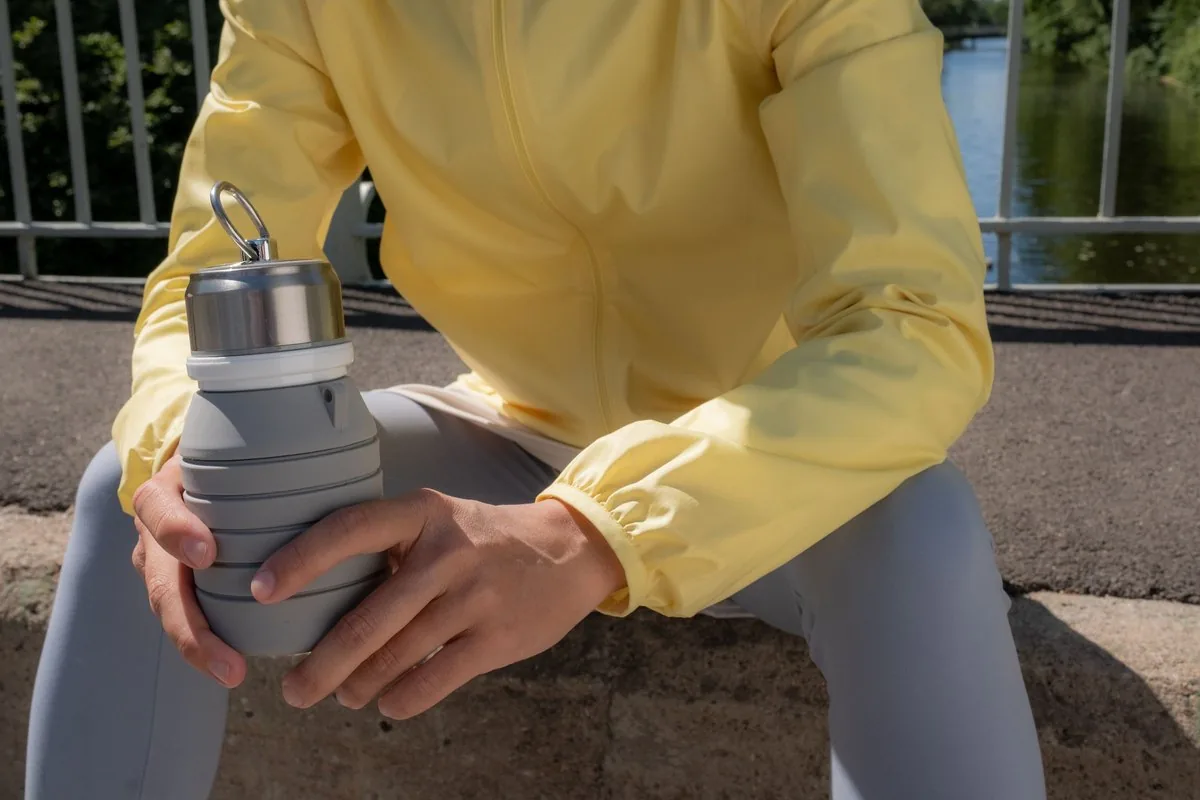
Katadyn BeFree Filter AC 1.0L
- 0.1-micron hollow-fibre filter against protozoa
- bacteria and microplastics
- Up to 1,000 L (membrane) and 200 L (activated carbon)
Best for: Ultralight backpackers filling from clear streams
Check priceThe Katadyn BeFree Filter AC 1.0L is a soft flask with a screw-on filter that rolls up small when empty. Behind the hollow-fibre membrane sits a replaceable activated carbon pad that reduces chlorine taste, odour and turbidity (Katadyn fact sheet). You can leave the carbon out when the stream already tastes good, and you clean the membrane by shaking it in water. Katadyn's product page doesn't list an NSF/ANSI standard.
Specs
- 0.1-micron hollow-fibre filter against protozoa, bacteria and microplastics
- Up to 1,000 L (membrane) and 200 L (activated carbon)
- 76 g with up to 2 L/min flow
What we like
- Lightest and most packable option by far
Watch out
- Katadyn rates it for clear water and doesn't claim virus protection, so it's not the one for doubtful city taps
- A soft flask is less sturdy than a hard bottle
Who it's for: ultralight backpackers and trekkers filling from clear streams.
See the Katadyn BeFree Filter AC 1.0L
Water-to-Go 75cl Active Bottle: the cycle-cage pick
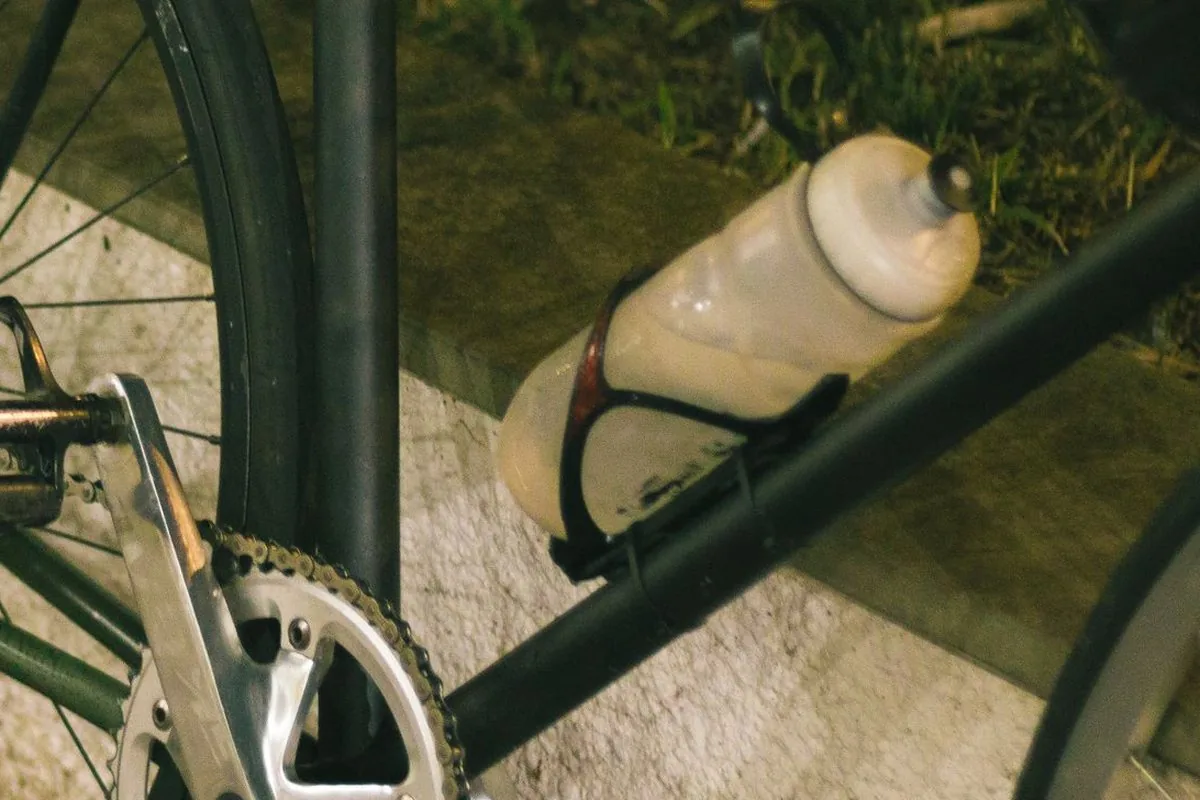
Water-to-Go 75cl Active Bottle
- 3-in-1 filter: mechanical
- electrical and activated carbon
- Filter lasts 200 L
Best for: Bikepacking and everyday city travel
Check priceThe Water-to-Go 75cl Active Bottle has a click lid with a flip cover over the spout. Its filter combines mechanical filtration, an electrical positive charge and activated carbon, and Water-to-Go says it removes 99.9999% of bacteria such as E. coli and 99.999 to 99.9999% of viruses, and that it filters heavy metals such as lead, plus chlorine and fluoride. It also says the bottle replaces single-use plastic bottles and that its filters are 100% recyclable (Water-to-Go). The product page doesn't list an NSF/ANSI standard.
Specs
- 3-in-1 filter: mechanical, electrical and activated carbon
- Filter lasts 200 L
- Designed to fit bike bottle cages
What we like
- Claims virus removal in a simple sip-through bottle
Watch out
- 200 L per filter means more replacements on a long trip
- For non-salt water only; the maker doesn't list a weight for this size
Who it's for: bikepackers and city travellers who want a sip-through bottle.
See the Water-to-Go 75cl Active Bottle
How to choose a filter water bottle for travel

- Filter or purifier? Most filters stop bacteria and protozoa, but viruses are much smaller. For untreated tap water, pick a bottle whose maker claims virus removal, like the GeoPress or Water-to-Go.
- Read the standard, not just the percentage. LifeStraw cites NSF P231 and NSF 42; GRAYL cites NSF/ANSI 42 and 53 protocols.
- Count the litres. A membrane that lasts 4,000 L (LifeStraw) suits a long trip; a 200 L or 250 L filter means planning for spares.
- Weigh it up. 76 g (BeFree AC) and 450 g (GeoPress) feel very different in a backpack.
- Freshwater only. None of these bottles desalinate seawater.
- Pair it with data. A travel eSIM such as Airalo helps you find refill points and local water advice (our travel eSIM guide).
Our verdict
For most backpackers crossing countries where tap water is doubtful, the GRAYL GeoPress 24oz Purifier is the pick, thanks to its claimed virus removal. For treated tap water and clear streams, the LifeStraw Go Series 1L has the longest-lasting membrane. Ultralight hikers should go for the Katadyn BeFree Filter AC 1.0L, and cyclists the Water-to-Go 75cl Active Bottle.
Shop filter bottles: GRAYL GeoPress 24oz Purifier · LifeStraw Go Series 1L · Katadyn BeFree Filter AC 1.0L · Water-to-Go 75cl Active Bottle
FAQ
Can a filter water bottle make tap water safe abroad?
It depends on the bottle. The LifeStraw Go Series and Katadyn BeFree AC target bacteria and protozoa; for viruses, choose the GRAYL GeoPress or Water-to-Go, whose makers claim virus removal.
Can I use a filter bottle with seawater?
No. GRAYL and Water-to-Go both say their bottles are for freshwater or non-salt water, and none of these bottles remove salt.
Do filter bottles really cut plastic waste?
The makers say so: LifeStraw says one Go Series membrane equals 8,000 single-use bottles, and Water-to-Go says its bottle replaces single-use plastic bottles and its filters are 100% recyclable.

 Eco Gadgets

